


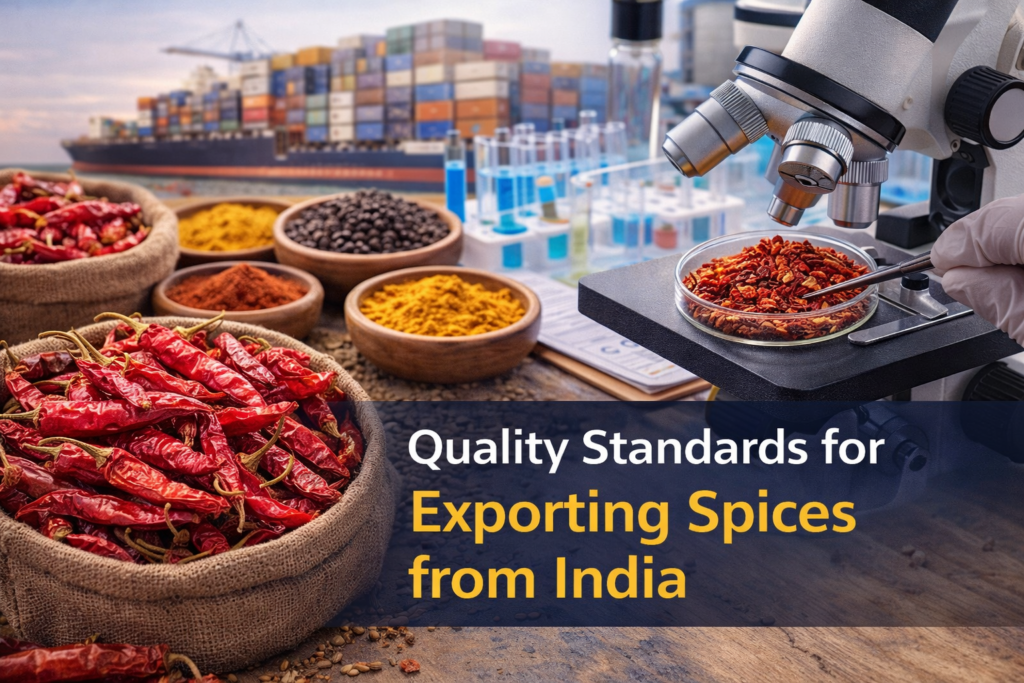
India is one of the largest exporters of spices in the world. However, exporting spices is not just about supplying products — it is about meeting international quality standards. Global buyers today are very particular about food safety, hygiene, and consistency.
To successfully export spices from India, exporters must follow strict quality standards. Let’s understand these standards in a simple and practical way.
Clean and Hygienic Sourcing
Quality begins at the source. Spices should be sourced from:
Reliable farmers
Clean cultivation areas
Regions known for specific spice varieties
Spices must be free from:
Dirt and stones
Foreign matter
Excess moisture
Proper drying and handling at the initial stage helps maintain natural quality.
Proper Cleaning, Sorting, and Processing
Before export, spices go through several processing steps such as:
Mechanical cleaning
Sorting by size and color
Removal of damaged or discolored material
For powdered spices, hygienic grinding is very important. Processing should be done in clean, food-grade environments to avoid contamination.
Moisture Content Control
Moisture content plays a major role in spice quality and shelf life.
Excess moisture can cause:
Mold growth
Quality deterioration
Rejection at destination ports
Most importing countries require spices to have controlled moisture levels to ensure safe transportation and storage.
Compliance with Food Safety Standards
Different countries follow different food safety regulations. Indian exporters must comply with:
International food safety norms
Import country regulations
Buyer-specific quality requirements
This may include checks for:
Pesticide residue limits
Microbial contamination
Chemical safety
Meeting these standards helps avoid shipment delays and rejections.
Quality Certifications and Documentation
Certifications play an important role in spice exports. Commonly required documents include:
FSSAI compliance (for food products)
Phytosanitary Certificate
Certificate of Origin
Laboratory test reports (if required by buyer)
These documents give buyers confidence in product safety and quality.
Export-Standard Packaging
Proper packaging protects spices during long-distance shipping.
Good packaging should:
Be food-grade
Protect from moisture and contamination
Maintain aroma and freshness
Export packaging is usually done in PP bags, laminated bags, or customized bulk packaging as per buyer requirements.
Consistency in Quality and Supply
One of the most important quality standards is consistency. Buyers expect:
Same quality in every shipment
Uniform color and aroma
Reliable supply schedules
Maintaining consistency helps build long-term relationships with global buyers.
Conclusion
Quality standards are the backbone of spice exports from India. From sourcing and processing to packaging and documentation, every step must be handled with care and responsibility.
At Exora International7, we focus on delivering export-quality Indian spices that meet international standards and buyer expectations, ensuring long-term trust and successful partnerships.
📩 For spice export inquiries or bulk requirements, feel free to contact us.